Rubber Expansion Bellows

Perfect Bellow Solution

New Full Logo

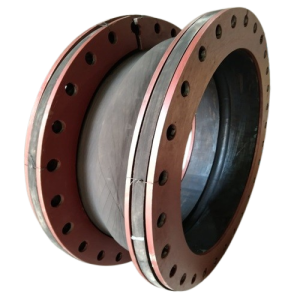
Rubber bellows, also known as rubber expansion joints, are flexible connectors used in piping systems to absorb movement, reduce stress, and isolate vibration. They are made from various types of rubber, each with specific properties that make them suitable for different applications.
Key Features and Benefits:
* Flexibility: Rubber bellows are highly flexible, allowing them to accommodate movements in multiple directions, including axial, lateral, and angular.
* Vibration Absorption: They effectively absorb vibrations, reducing noise and protecting piping systems and equipment from damage.
* Noise Reduction: Rubber bellows can dampen sound transmission, making them ideal for use in HVAC systems and other applications where noise reduction is important.
* Corrosion Resistance: Many types of rubber are resistant to corrosion, making rubber bellows suitable for use in harsh environments.
* Ease of Installation: Rubber bellows are generally easier to install than metal bellows, as they do not require welding or specialized tools.
* Cost-Effective: Rubber bellows are typically less expensive than metal bellows, making them a cost-effective solution for many applications.
Types of Rubber Bellows:
* Single Arch Bellows: These bellows have a single arch or convolution and are used for smaller movements and lower pressures.

* Double Arch Bellows: These bellows have two arches or convolutions and are used for larger movements and higher pressures.

* Multiple Arch Bellows: These bellows have more than two arches or convolutions and are used for very large movements and high pressures.

* Rectangular Bellows: These bellows are used in applications where space is limited.

* Flanged Bellows: These bellows have flanges on each end for easy connection to piping systems.

* Threaded Bellows: These bellows have threaded ends for easy connection to piping systems.

Applications:
Rubber bellows are used in a wide range of industries, including:
* HVAC: In heating, ventilation, and air conditioning systems to absorb vibration and noise.
* Plumbing: In water and wastewater systems to accommodate thermal expansion and contraction.
* Chemical Processing: In chemical plants to handle corrosive fluids.
* Power Generation: In power plants to absorb vibration and noise from pumps and other equipment.
* Manufacturing: In manufacturing plants to isolate equipment and reduce vibration.
Selection Considerations:
When selecting rubber bellows, it is important to consider the following factors:
* Type of Movement: The type of movement the bellows need to accommodate (axial, lateral, angular, or a combination).
* Pressure and Temperature: The operating pressure and temperature of the system.
* Size and Material: The size and material of the bellows should be compatible with the piping system and the fluid being conveyed.
* Installation Requirements: The installation requirements of the bellows, including space limitations and support requirements.

I hope this detailed description of rubber bellows is helpful. If you have any further questions, please do not hesitate to

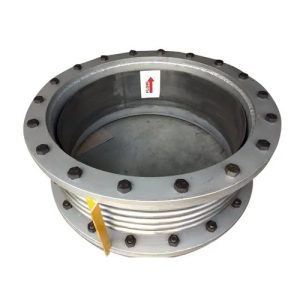
Axial Bellows Expansion Joint

Stainless Steel Flange Expansion Bellow Flexoweld Vadodara
Axial Bellows Expansion Joint

We design wide range of expansion joints from small to a large diameter and square or rectangular ducts. Our EJ’s are suitable working for low and high temperature as well for high pressure to vacuum application. Our EJ’s are applicable to vide array of industries for thermal application, vibration isolation vacuum application, pressure application, mounting and dismantling applications and many such complex applications of pipeline.